
Your Holiday Home Could Be Costing You More Than You Think
Understanding the holiday home tax rules the ATO applies is essential before you list your property for rent. For many Australians, owning a holiday home represents far more than bricks and mortar. It’s a family retreat, a long-term investment, a retirement asset, and a place that creates memories while generating additional income throughout the year.
The growth of platforms like Airbnb, Stayz and Booking.com has made earning income from holiday homes easier than ever before. Thousands of Australians now rent their properties when they aren’t using them, helping offset mortgage repayments, maintenance costs and council rates.
But as the popularity of short-term accommodation has grown, so has the attention of the Australian Taxation Office (ATO).
In recent years, the ATO has increased its focus on rental property deductions, particularly where holiday homes are involved. Their message is straightforward: not every expense is automatically deductible.
Simply owning a holiday home and occasionally renting it out does not mean every cost qualifies as a tax deduction. Understanding these rules isn’t just about remaining compliant. It’s about protecting the long-term profitability of the investment you’ve worked so hard to build.
Holiday Home Tax Rules: Why the ATO Is Paying Closer Attention
The ATO has access to more information today than ever before, and it can now match data from multiple sources, including:
- Airbnb, Stayz and other booking platforms
- Banks and financial institutions
- State land registries
- Tax returns
This allows the ATO to identify inconsistencies between rental income, claimed deductions and actual property use. Their objective isn’t to penalise legitimate investors. It’s to ensure deductions accurately reflect how the property is used, and the ATO publishes detailed guidance on residential rental properties for owners who want to check the current rules.

What Counts as a Genuine Rental Property?
Applying holiday home tax rules correctly starts with knowing which properties genuinely qualify as rentals. This is one of the most misunderstood areas of holiday home ownership. Many owners assume that advertising a property online automatically makes it an income-producing asset, but that isn’t always the case.
The ATO considers several factors, including whether the property was genuinely available for rent. Questions they may consider include:
- Was the property advertised at market rates?
- Was it available throughout peak seasons?
- Were unreasonable booking restrictions imposed?
- Was the property only offered to family and friends?
- Did the owner frequently block dates for personal use?
A property advertised for only a few weekends each year while remaining unavailable during peak periods may not qualify for the same deductions as a property actively operated as a commercial rental. Intent matters, and evidence matters even more.
Personal Use Changes Everything
Holiday homes often serve two purposes: they generate income, and they provide somewhere for owners and their families to stay. This creates one of the most important tax considerations of all: private use.
When owners use the property themselves, expenses generally need to be apportioned. For example, if a holiday home is available for rent most of the year but used privately during school holidays, only the portion relating to income production may be deductible. This applies to expenses including:
- Interesty
- Electricity
- Insurance
- Cleaning
- Internet
- Repairs
- Council rates
Many owners unintentionally overclaim simply because they haven’t kept accurate records of private use. Good record keeping eliminates that uncertainty.
The True Cost of Poor Documentation
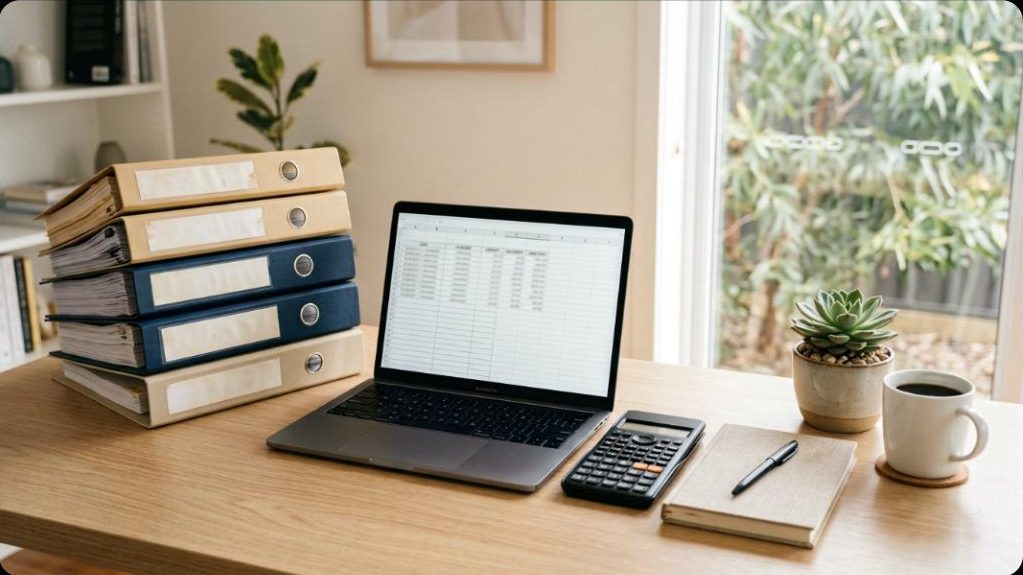
Documentation isn’t exciting, but it can become incredibly valuable. Imagine two owners who earn similar rental income and spend roughly the same amount maintaining their properties.
Owner A keeps booking calendars, cleaning invoices, maintenance receipts, guest communications and advertising history. Owner B keeps very little.
If the ATO requests evidence, Owner A can quickly demonstrate how deductions were calculated, while Owner B may struggle. The difference isn’t just paperwork, it’s confidence. Good records reduce stress, simplify tax time and help owners make informed financial decisions throughout the year.
Your Property Is a Business Asset
One of the biggest mindset shifts successful investors make is viewing their holiday home as a business asset. That doesn’t remove the emotional attachment, but it changes how decisions are made. Business assets require:
- Professional presentation
- Regular maintenance
- Financial reporting
- Operational systems
- Performance reviews
Owners who manage their property with this mindset often achieve stronger long-term outcomes than those who simply “see how it goes.”
Why Guest Experience Affects Profitability
Holiday accommodation has become increasingly competitive. Travellers compare dozens of listings before making a booking, and small details influence purchasing decisions, including:
- Professional photography
- Responsive communication
- Exceptional cleanliness
- Well-maintained furnishings
- Thoughtful presentation
- Consistent reviews
Every positive guest experience contributes to future occupancy, while every negative review makes attracting the next booking more difficult. The property’s financial performance depends heavily on experiences that occur long before guests arrive.
Vacancies Are More Expensive Than Most Owners Realise
Most owners focus on nightly rates. Few calculate the real cost of vacancy. An empty property produces no income, yet mortgage repayments, insurance, utilities, council rates and maintenance all continue regardless.
Vacancies don’t simply reduce revenue, they increase the effective cost of ownership. That makes occupancy one of the most valuable performance indicators for any holiday property.
Protecting Your Investment Means Protecting Its Condition
Properties used frequently require consistent care. Small maintenance issues rarely stay small: salt air corrodes fittings, heavy guest traffic wears flooring, and weather damages outdoor areas.
Routine inspections identify these issues before they become expensive repairs. Preventative maintenance preserves both presentation and long-term value. Owners often think maintenance costs money, but deferred maintenance usually costs much more.
The Transformation of Professional Management
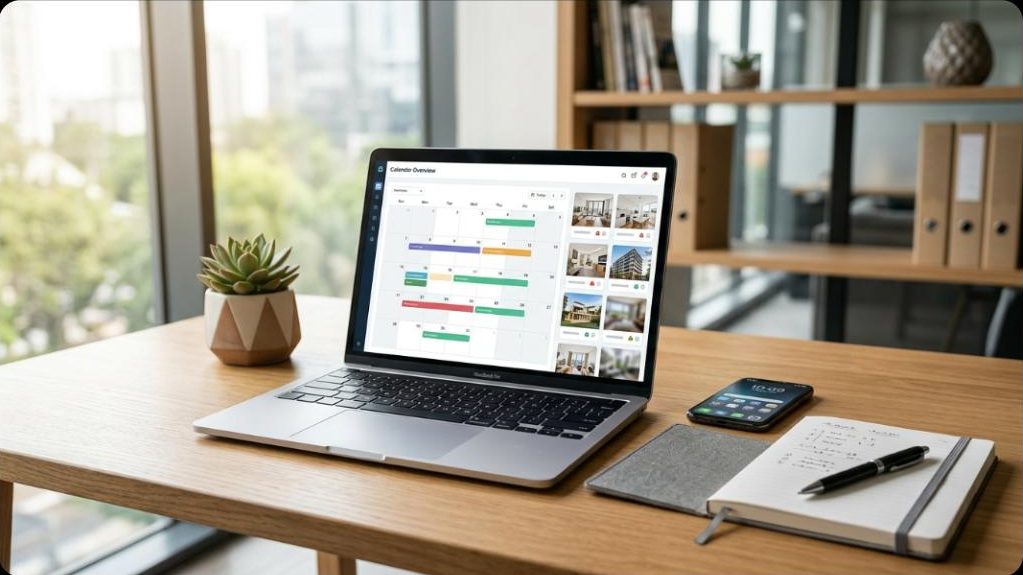
Owning a holiday home should feel rewarding, but too often it becomes exhausting, with owners answering late-night guest messages, coordinating cleaners between bookings, organising trades, monitoring calendars and responding to maintenance emergencies.
Professional management changes that experience. Instead of constantly reacting, owners regain confidence that the property is operating consistently. Bookings move more smoothly, communication becomes organised, and maintenance becomes proactive rather than reactive.
That transformation isn’t simply about convenience. It’s about creating an investment that supports your lifestyle rather than competing with it.
Why Organisation Creates Better Investment Decisions
Good information leads to good decisions. Owners who understand occupancy trends, maintenance history and operating expenses can make smarter choices about:
- Pricing
- Property improvements
- Future investments
- Capital expenditure
- Marketing
- Long-term planning
Organisation doesn’t just improve administration, it improves strategy.
Looking Beyond Tax Deductions
Many conversations about holiday homes revolve around deductions, and those discussions are important. But tax savings should never become the primary investment strategy.
Successful property owners build investments that perform well regardless of changing tax rules. They focus on:
- Guest satisfaction
- Property condition
- Strong occupancy
- Professional presentation
- Operational efficiency
These fundamentals continue creating value regardless of legislative changes.
Frequently Asked Questions
Can I claim every expense on my holiday home?
Not necessarily. Deductions generally depend on whether the property is genuinely producing assessable rental income and whether expenses relate to income-producing periods.
Can I stay in my own holiday home?
Yes. However, periods of private use usually affect how deductible certain expenses are.
What records should I keep?
Booking calendars, invoices, maintenance receipts, advertising history, cleaning records and details of private use should all be retained.
Where can I read the official rules?
The Australian Taxation Office provides comprehensive guidance for holiday home owners and rental property deductions on the official ATO website.
Final Thoughts
Holiday home tax rules will continue to evolve. Tourism trends will change. Booking platforms will introduce new features, and traveller expectations will keep rising.
Through all of those changes, one principle remains remarkably consistent: well-managed properties outperform neglected ones. Owners who invest in organisation, presentation, proactive maintenance and exceptional guest experiences are far better positioned for long-term success than those relying solely on favourable tax outcomes.
The most successful holiday homes don’t simply generate income. They create confidence: confidence that the property is protected, confidence that every guest receives a consistent experience, and confidence that ownership remains rewarding rather than overwhelming.
When your property operates with that level of consistency, it becomes more than a holiday home. It becomes a resilient long-term investment designed to perform for years to come.